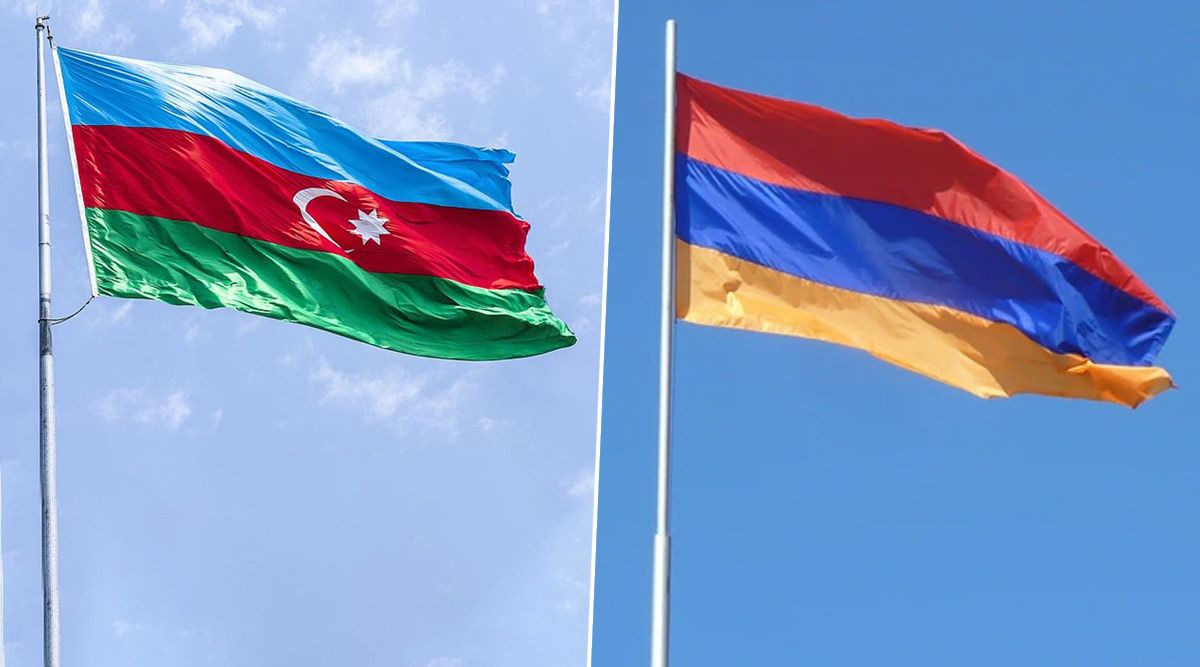
In recent years, thanks to the normalization of relations between Azerbaijan and Armenia, the parties have come closer to a final settlement of the conflict, which lasted about three decades. Since 2021, new geopolitical realities have emerged, creating a real basis for the conclusion of a peace agreement between the parties. In this context, mutual steps, such as the ongoing negotiations on the delimitation of borders, the restoration of communications and the establishment of diplomatic relations, indicate real progress. Thus, the present moment represents a historic opportunity to establish a lasting peace between the two peoples, which requires not only responsible behavior on the part of political representatives, but also a constructive and peace-loving approach at the broader, social level. Ensuring long-term regional stability is of strategic importance for all stakeholders, both in terms of economic development and security. Accordingly, at this stage, the main goal of both sides should be to consolidate the de facto peace in the legal and institutional framework, namely the signing of a comprehensive peace agreement, writes Dr. Matin Mamedli, head of the department of the Baku Center for the Analysis of International Relations (AIR Center).
Nevertheless, despite a number of positive signals, some factors still have a negative impact on the peace process. In particular, the growing activity of revanchist forces in Armenia and a return to the rhetoric related to the previous conflict pose a serious danger. These circles demonstrate their unwillingness to accept existing realities and try to instill unrealistic expectations in society. If we analyze the political platforms of the main opposition forces on the eve of the upcoming elections in June, their public statements and connections with certain external centers of power, it becomes obvious that the situation remains extremely difficult. It should also be emphasized that the ideology of revanchism puts the restoration of the former status quo at the forefront, rather than regional integration, thereby posing a threat to both regional stability and the development prospects of Armenia itself.
Moreover, the recent statements of some Armenian officials contradict the peace agenda, which Yerevan officially supports. Such inconsistency undermines trust between the parties. In this regard, the statements of the opposition deputy of the Armenian parliament Garnik Danielyan are especially remarkable. He called for the release of persons associated with the former illegal separatist regime, who are currently in custody in Baku and whose crimes have been confirmed in the course of the trials. At the same time, he made unfounded accusations of "destruction" of the Armenian heritage in the Karabakh region of Azerbaijan. These statements are not only far FROM reality, but also have no legal and political justification. These persons were brought to justice for specific crimes in accordance with both international legal norms and the domestic legislation of Azerbaijan. Their actions violated not only the legislation of Azerbaijan, but also international humanitarian law. In turn, such statements contradict Armenia`s foreign policy course to eradicate the Karabakh movement, as repeatedly stated by Armenian Prime Minister N. Pashinyan to political opponents in parliament 1.
This legal reality can be characterized so that Armenia bears responsibility for war crimes, crimes against humanity and other offenses committed in the formerly occupied territories of the Azerbaijan. It is well known that during the occupation, large-scale destruction took place in the Azerbaijani territories, material and cultural property was looted, and the Azerbaijani population was subjected to ethnic cleansing. These facts are reflected in the reports of various international organizations and expert groups specializing in international law 2. In this regard, calls for their release contradict fundamental legal principles and are political manipulation.
In Azerbaijani society, there are natural questions about why, despite the scale of these crimes, Armenia did not appear before the international court and why stricter legal measures were not taken. However, the State`s approach should be seen in a broader strategic context. At the same time, Azerbaijan`s restraint also has its limits. However, jeopardizing the peace process for domestic political purposes is irrational and may ultimately damage Armenia and its national interests in the long term.
Armenian leadership`s support for the "concept of return" with the assistance of international legal institutions and external centers of power will play an important role in peace negotiations and maintaining regional stability in the post-election period. This approach is based on the return enshrined in the Universal Declaration of Human Rights, the International Covenant on Civil and Political Rights, the Convention relating to the Status of Refugees and other important international instruments. The return process should restore the resettlement configuration of Western Azerbaijanis before ethnic cleansing. Deviation FROM this principle can only occur on the basis of the free expression of will and consent of the persons concerned. All Azerbaijanis expelled FROM the territory of modern Armenia and their descendants have the right to return to their homeland.
If we do not take advantage of this historic opportunity, it may lead to new security risks in the region. However, the sustainability of this policy depends on Armenia`s response and adequate actions.
1 https://oc-media.org/pashinyan-confirms-firing-genocide-memorial-head-for-giving-vance-book-on-nagorno-karabakh-conflict/
2 Letter to UNSG on war crimes report A-74-676 Eng.pdf