Thirteenth session of the World Urban Forum (WUF13)
The 13th session of the World Urban Forum (WUF13) was held in Baku, Azerbaijan, from 17 to 22 May 2026. Co-organized by the Government of Azerbaijan and UN-Habitat, it marked the first time that the United Nations’ premier conference on sust...
The 13th session of the World Urban Forum (WUF13) was held in Baku, Azerbaijan, from 17 to 22 May 2026. Co-organized by the Government of Azerbaijan and UN-Habitat, it marked the first time that the United Nations’ premier conference on sustainable urbanization was convened in the Caspian and South Caucasus region.
Held under the theme “Housing the World: Safe and Resilient Cities and Communities,” WUF13 highlighted global housing challenges and examined the role of housing in advancing inclusion, resilience, and sustainability, thereby contributing to discussions at the midpoint of the implementation of the New Urban Agenda.
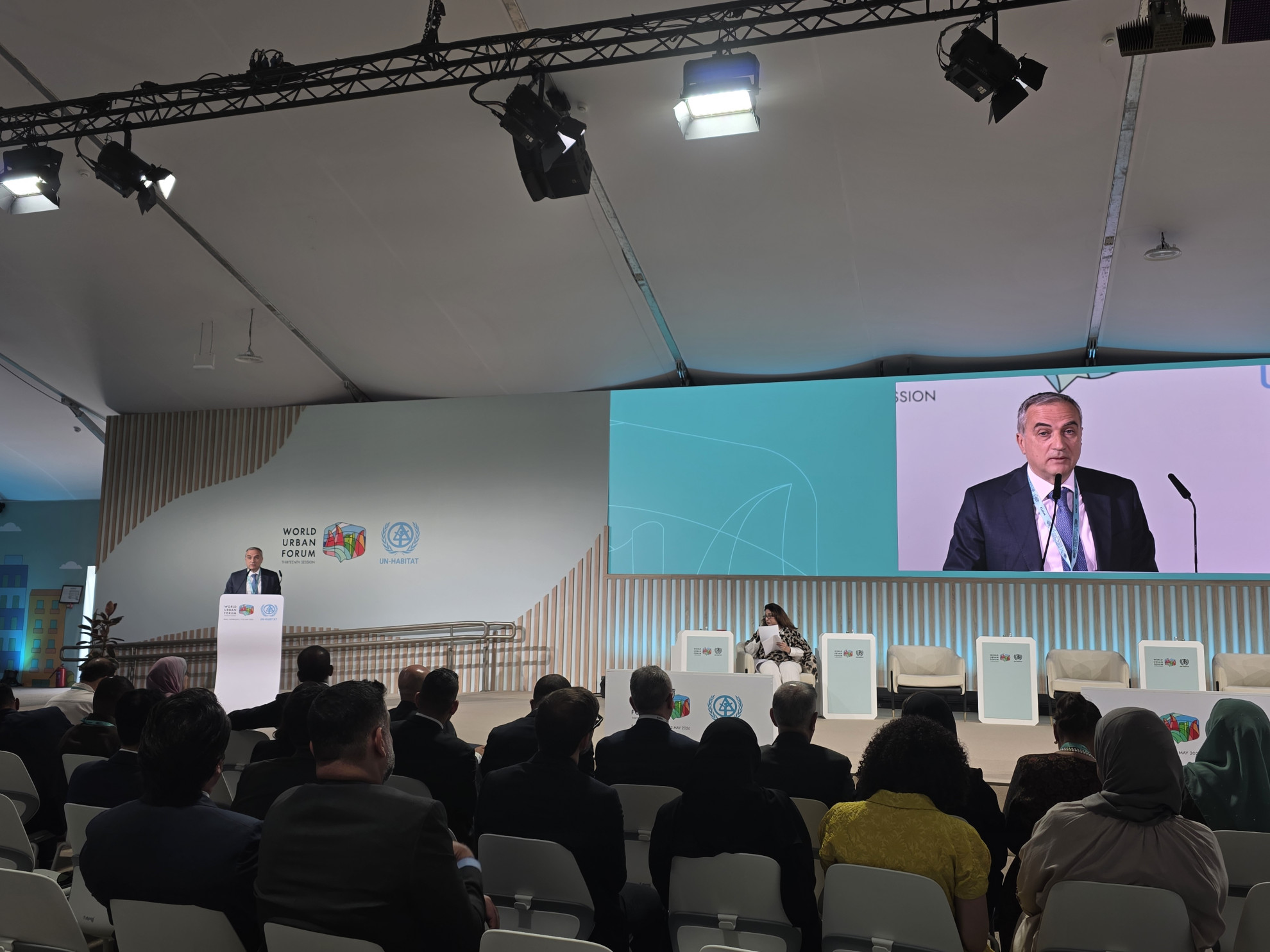
The AIR Center contributed to the work of WUF13 through the organization of a thematic panel session and participation in key discussions.
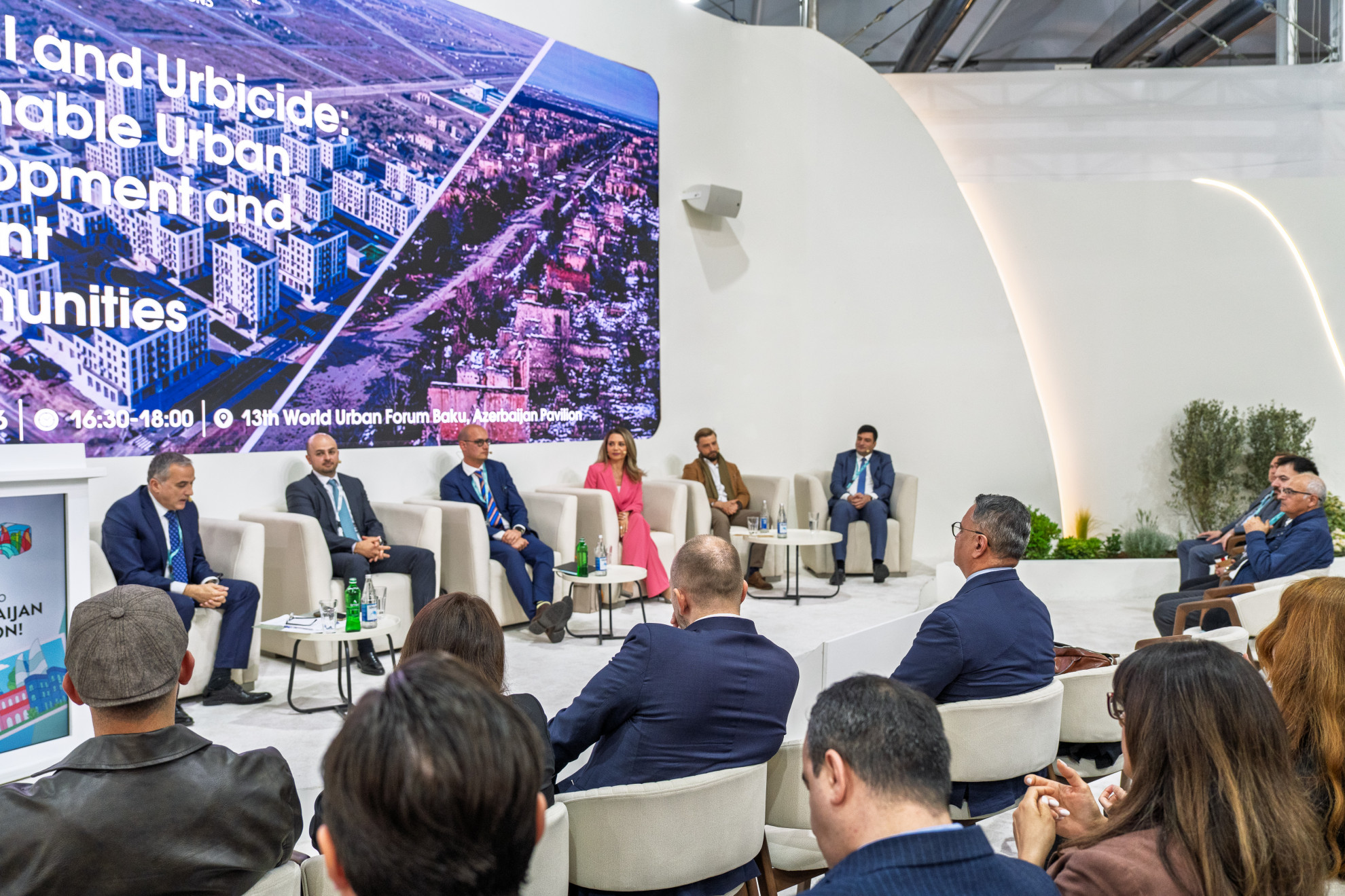
The international panel entitled “Revival and Urbicide: Sustainable Urban Development and Resilient Communities” (20 May 2026), organized on the sidelines of WUF13, served as an important platform for the international examination of urbicide, post-conflict urban reconstruction, and Azerbaijan’s reconstruction experience. The panel made a significant thematic contribution to the WUF13 agenda by fostering multidisciplinary dialogue on contemporary urban planning challenges. (https://aircenter.az/en/post/air-center-hosts-panel-on-urbicide-and-its-consequences-at-wuf13-2119)
Chairman of the Board, Farid Shafiyev, spoke as a panelist at two panel sessions held within the framework of the WUF13 on 21 May 2026.
He first participated in a panel discussion titled “The Middle East Crisis and its Global Housing and Urban Impacts,” organized by UN-Habitat with the support of the Nizami Ganjavi International Center.
During his remarks, Farid Shafiyev highlighted Azerbaijan’s experience and achievements in the fields of reconstruction and post-conflict recovery implemented in the aftermath of the conflict.
The second event was a panel session titled “Lachin and Kalbajar: The Road from Urbicide to Post-Conflict Reconstruction.”
Speaking at the panel discussion, Farid Shafiyev addressed the phenomena of urbicide and ecocide affecting Azerbaijan, modern scientific and theoretical approaches to these concepts, as well as the restoration and reconstruction work undertaken in the liberated territories, along with sustainable urban planning approaches.