


Executive Summary:
-
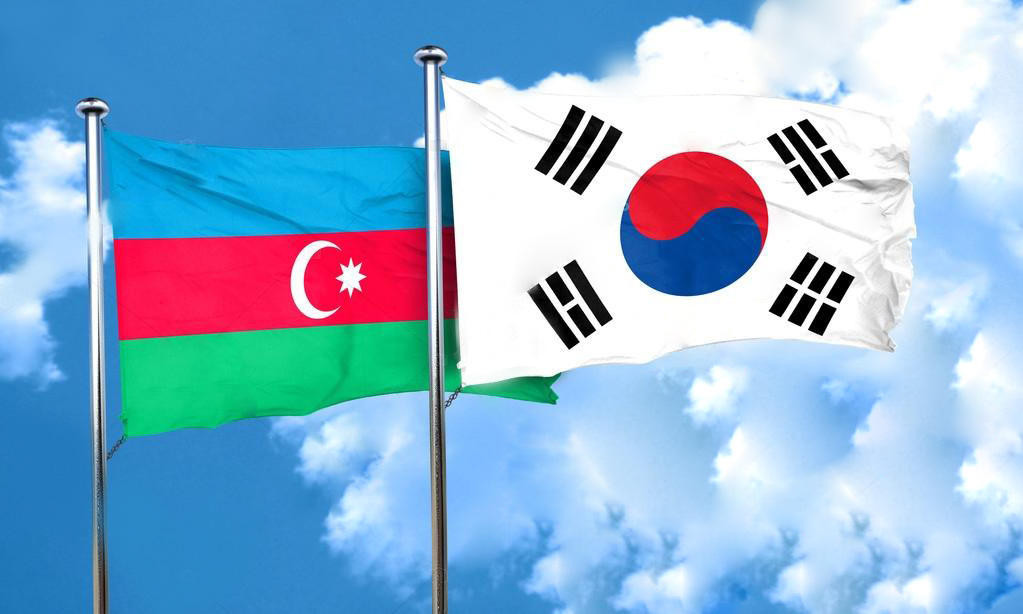
The State Oil Company of the Azerbaijan Republic (SOCAR) and South Korean engineering firm Samsung E&A signed a Memorandum of Understanding on February 25 to improve the efficiency of energy assets, localize production, develop a regional industrial hub, foster human capital development, and advance decarbonization cooperation.
-
South Korea–Azerbaijan meetings in November 2021 and September 2025 explored expanding bilateral energy cooperation and exposing local Azerbaijani firms to international standards, including in renewable energy.
-
The new agreement reflects Azerbaijan’s broader strategy of deepening energy ties with East Asian partners and positioning itself as a key energy and logistics hub linking Europe and Asia through transit infrastructure and cross-border collaboration.
The State Oil Company of the Azerbaijan Republic (SOCAR) and South Korean engineering firm Samsung E&A signed a Memorandum of Understanding (MoU) on February 25. The MoU focuses on improving the efficiency of energy assets, localizing production, developing a regional industrial and supply hub, fostering human capital development, and decarbonization cooperation (Ministry of Economy of Azerbaijan, February 25). The agreement highlights Baku’s commitment to developing more resilient energy supply chains through diversified cooperation with technologically advanced economies, as outlined in “Azerbaijan 2030: National Priorities for Socio-Economic Development,” published in 2021 (President of Azerbaijan, February 2, 2021). Collaboration with a globally experienced contractor, such as Samsung E&A, underscores the emphasis on technology transfer. Azerbaijan aims to generate 30 percent of its electricity from renewable sources by 2030 and reduce greenhouse gas emissions by 40 percent by 2050 (COP29, accessed April 2). Azerbaijan seeks to introduce modern industrial technologies through cooperation with advanced engineering partners to improve operational efficiency and enhance the environmental performance of energy facilities (Renewable Energy Agency of Azerbaijan, accessed March 12).
The SOCAR–Samsung E&A partnership has the potential to strengthen Azerbaijan’s domestic industrial capacity, an important policy priority in Baku (AIR Center, February 11). Cooperation with global engineering firms exposes Azerbaijani contractors, manufacturers, and service providers to international technical standards, advanced engineering practices, and new market opportunities. Over time, such engagement could enable local companies to participate more actively in regional energy and industrial initiatives across the Caspian littoral (United Nations Economic Commission for Europe, December 3, 2019).
One aspect of the MoU addresses cooperation in decarbonization. As global pressure to reduce carbon emissions intensifies, energy-producing countries are increasingly seeking ways to make their industries more environmentally sustainable (International Energy Agency, January 19, 2020; Trend News Agency, February 25). Improving energy efficiency, deploying emissions-reduction technologies, and adopting advanced industrial processes can enhance environmental performance and advance broader sustainability goals.
The new agreement builds upon earlier Azerbaijan–South Korea diplomatic engagement in the energy sector. In recent years, bilateral dialogue has increasingly focused on opportunities in renewable and green energy development. During a November 2021 meeting in Baku, Azerbaijan’s Minister of Energy Parviz Shahbazov met with a delegation led by Chong Soo Park, chairman of the Northern Economic Cooperation Committee under the President of South Korea, to explore expanding bilateral energy cooperation and attracting new investment. Particular attention was devoted to the offshore wind potential of the Caspian Sea and emerging opportunities for the production and export of green hydrogen (Ministry of Energy of Azerbaijan, November 23, 2021). At a meeting in Baku in September 2025, Deputy Energy Minister of Azerbaijan Orkhan Zeynalov provided South Korea’s Ambassador to Azerbaijan, Kang Geum-gu, with an overview of Azerbaijan’s ongoing renewable energy projects and encouraged Korean companies to participate in their development (Renewables, September 13, 2025).
South Korea’s expanding involvement reflects a broader pattern of Azerbaijan deepening engagement with East Asian partners in the development of its energy sector. Before this agreement, Baku had already established extensive energy partnerships with several major companies from the People’s Republic of China (PRC), including Power Construction Corporation of China (PowerChina), China Energy Engineering Group (CEEC), Huantai Energy, LONGi Solar, Dongfang Electric Corporation, and China Energy Overseas Investment Co., Ltd. These multinational firms have played an active role in deploying renewable technologies and digital solutions across Azerbaijan, supplying key components for solar, wind, and hydropower projects in multiple regions of the country through joint initiatives conducted under bilateral arrangements and broader international frameworks such as COP29, the One Belt One Road initiative, and the Shanghai Cooperation Organization. Azerbaijan has cooperated with the PRC on renewable power generation, technology transfer, localized equipment production, and investment in sustainable infrastructure (see EDM, May 14, 2025; Hague Research Institute, November 5, 2025).
Energy partnerships with East Asian countries support Azerbaijan’s broader geopolitical and economic ambitions. Baku seeks to position itself as a strategic energy and logistics hub connecting Europe and East Asia. Strengthened by expanding transport and digital infrastructure along the Middle Corridor, Azerbaijan aims to complement its role as an energy exporter by enhancing its industrial and engineering capabilities (AIR Center, July, 2025). Strategic cooperation with international companies may facilitate the emergence of specialized manufacturing and service sectors capable of supporting energy projects across the wider Caspian region (Ministry of Energy of Azerbaijan, October 12, 2025).
Recent regional energy initiatives reinforce this vision. The “Zangezur Energy Corridor,” developed within the broader framework of the Azerbaijan–Türkiye–Europe Green Energy Corridor through the Trump Route for International Peace and Prosperity (TRIPP), which connects Azerbaijan to its Nakhchivan exclave via Armenian territory, aims to enhance regional connectivity and energy cooperation (see EDM, February 19). Simultaneously, large-scale trans-regional initiatives—including the Black Sea Green Energy Corridor, the Central Asia–Azerbaijan Green Energy Corridor, and the Azerbaijan–Georgia–Türkiye–Bulgaria Green Energy Corridor—seek to connect the wider Caspian region with Eastern Europe through submarine electricity cables and facilitate the integration of renewable electricity across the Black Sea and Caspian regions (Ministry of Energy of Azerbaijan, October 12, 2025).
The SOCAR–Samsung E&A agreement demonstrates how Azerbaijan is adapting its energy strategy to the changing dynamics of the global energy system. By combining technological cooperation, industrial modernization, and supply-chain integration, Baku seeks to enhance its long-term economic resilience while expanding its role as a diversified energy and industrial hub across Eurasia. In the longer term, the partnership reflects the growing importance of cross-border industrial collaboration in advancing national development and supporting the transition to a more sustainable global energy system.
https://jamestown.org/azerbaijan-and-south-korea-sign-energy-mou/


